Serving Lewes & Coastal Sussex County
Commercial Flat Roofing in Lewes, DE
Platinum Roofs installs, repairs, and replaces commercial flat and low-slope roofing for offices, retail buildings, multifamily properties, mixed-use buildings, and other commercial facilities. We evaluate drainage, flashing, penetrations, rooftop equipment, and the existing roof before recommending the next step.
Installation, repair, and replacement for flat and low-slope roofs
Attention to drainage, seams, flashing, and roof penetrations
Clear recommendations for occupied commercial properties
120+ Google reviews · Family-owned since 1986
Proud Certified Installers of Industry-Leading Brands





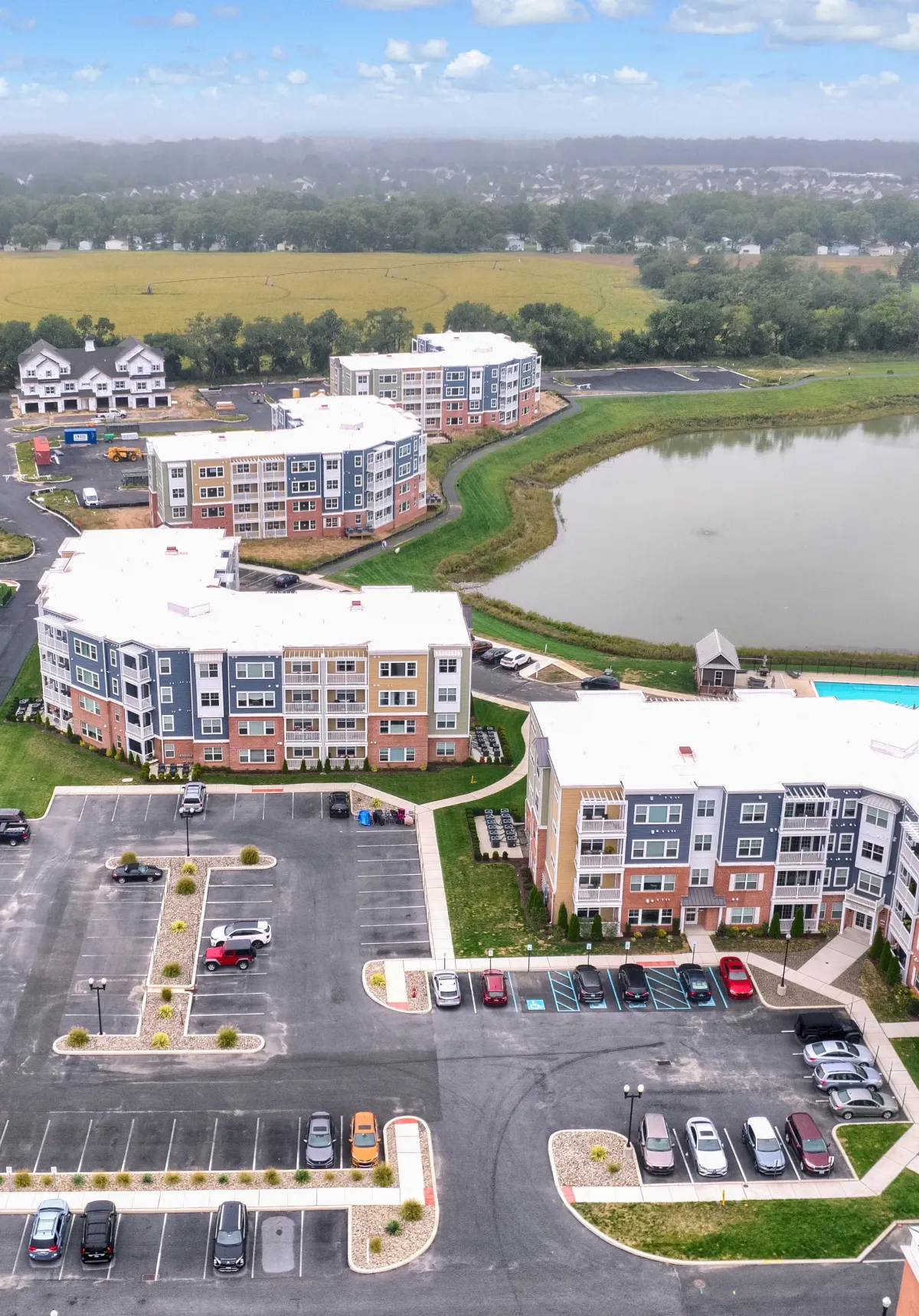
FLAT & LOW-SLOPE ROOFING
Commercial Flat & Low-Slope Roofing Systems
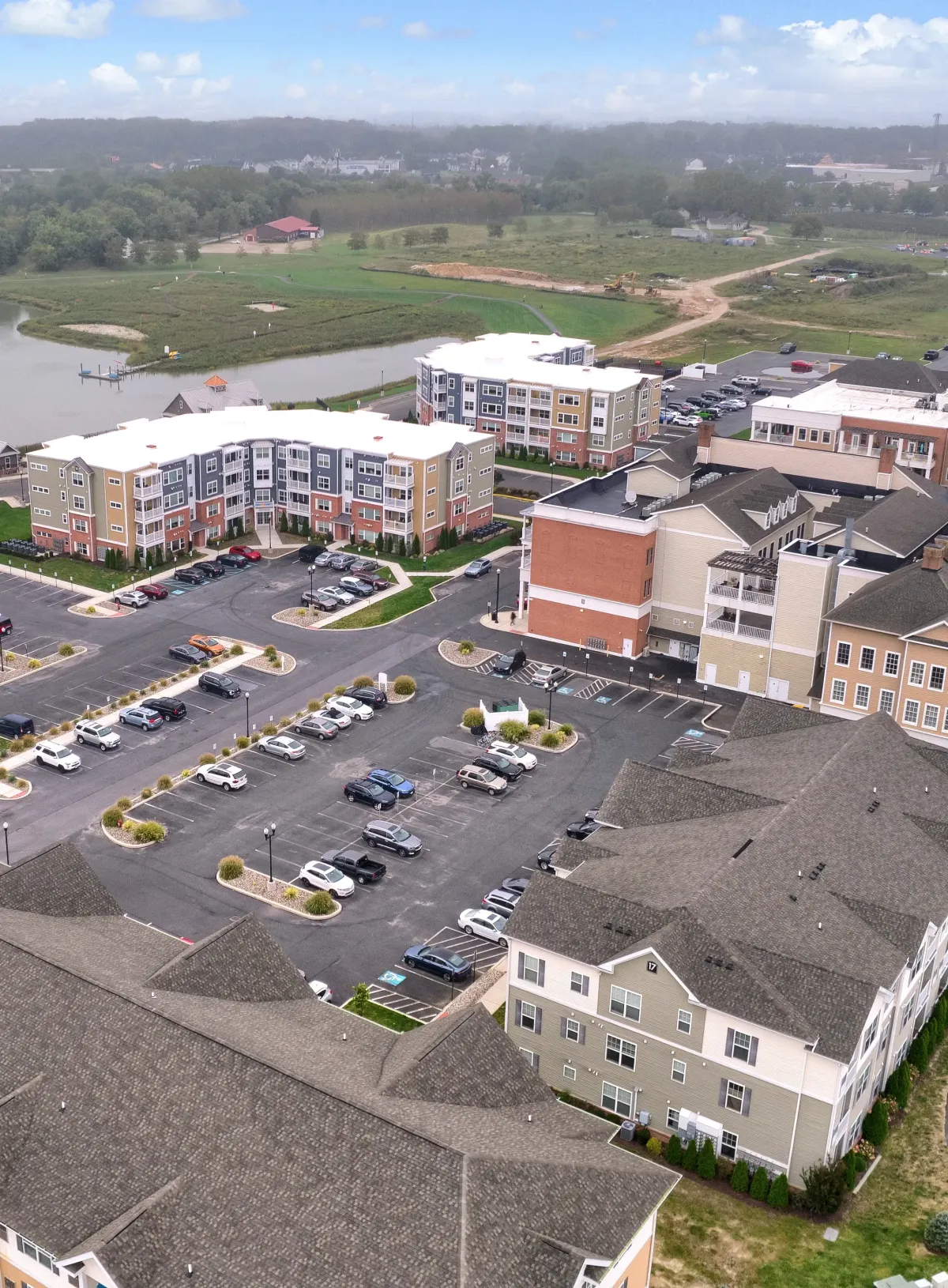
Commercial flat roofing is commonly used on offices, retail buildings, multifamily properties, mixed-use developments, and other buildings with broad roof areas. These systems may also include drains, rooftop equipment, curbs, penetrations, and transitions that must be detailed correctly.
For Lewes-area properties, roof performance can be affected by heavy rain, wind exposure, drainage demands, and repeated maintenance around equipment and access areas.
Platinum Roofs installs and services commercial flat and low-slope roofing based on the building’s use, existing roof condition, access, drainage, and long-term plans. Property owners dealing with an active problem can begin with a commercial roof inspection or commercial roof repair assessment.
Drainage paths and areas of standing water
Seams, flashing, edges, and roof transitions
Curbs and penetrations around rooftop equipment
Access areas and ongoing maintenance traffic
Existing leaks or previously repaired sections
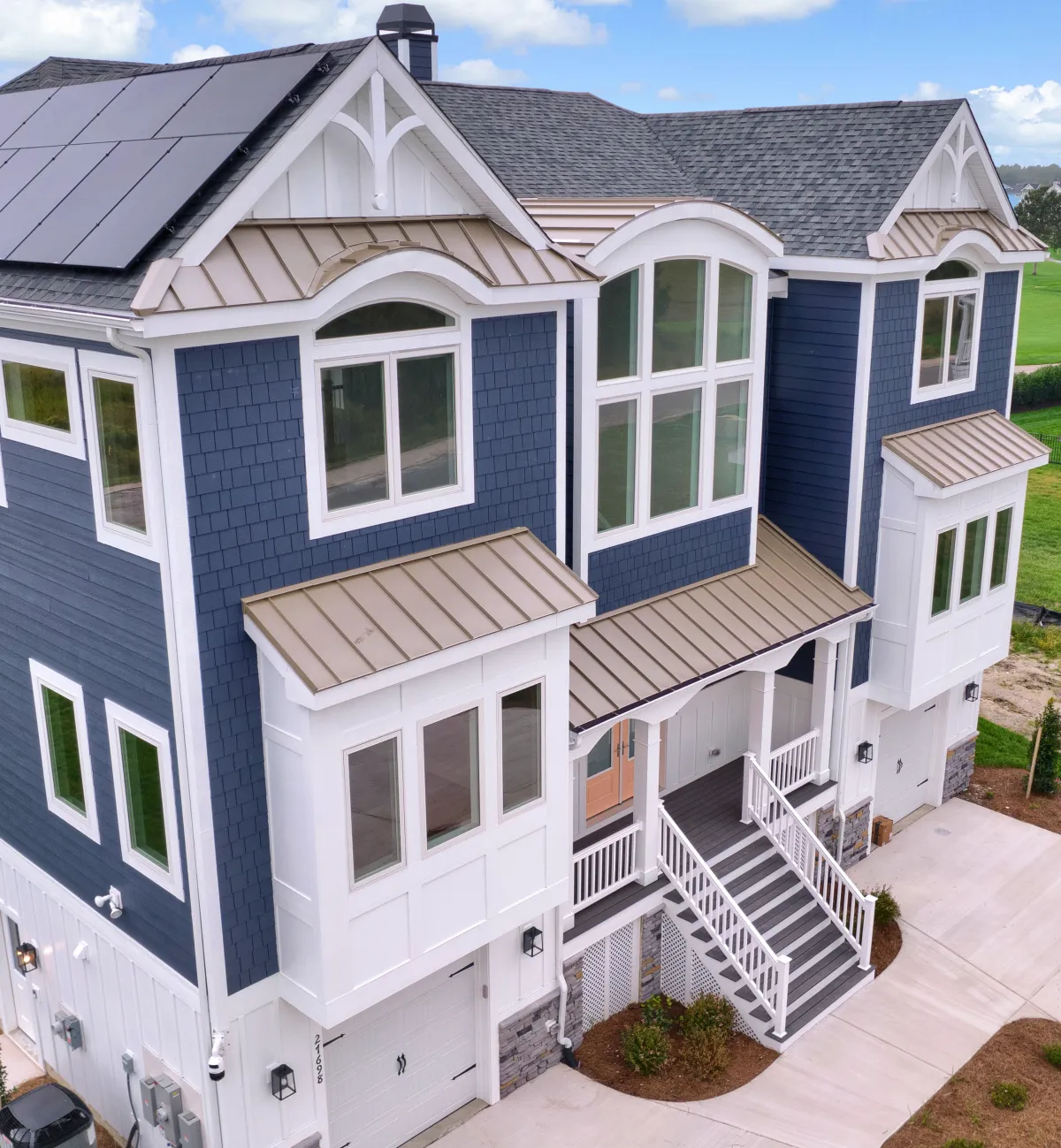
FLAT & LOW-SLOPE ROOFING
Commercial Flat & Low-Slope Roofing Systems
Commercial flat roofing is commonly used on offices, retail buildings, multifamily properties, mixed-use developments, and other buildings with broad roof areas. These systems may also include drains, rooftop equipment, curbs, penetrations, and transitions that must be detailed correctly.
For Lewes-area properties, roof performance can be affected by heavy rain, wind exposure, drainage demands, and repeated maintenance around equipment and access areas.
Platinum Roofs installs and services commercial flat and low-slope roofing based on the building’s use, existing roof condition, access, drainage, and long-term plans. Property owners dealing with an active problem can begin with a commercial roof inspection or commercial roof repair assessment.
Drainage paths and areas of standing water
Seams, flashing, edges, and roof transitions
Curbs and penetrations around rooftop equipment
Access areas and ongoing maintenance traffic
Existing leaks or previously repaired sections
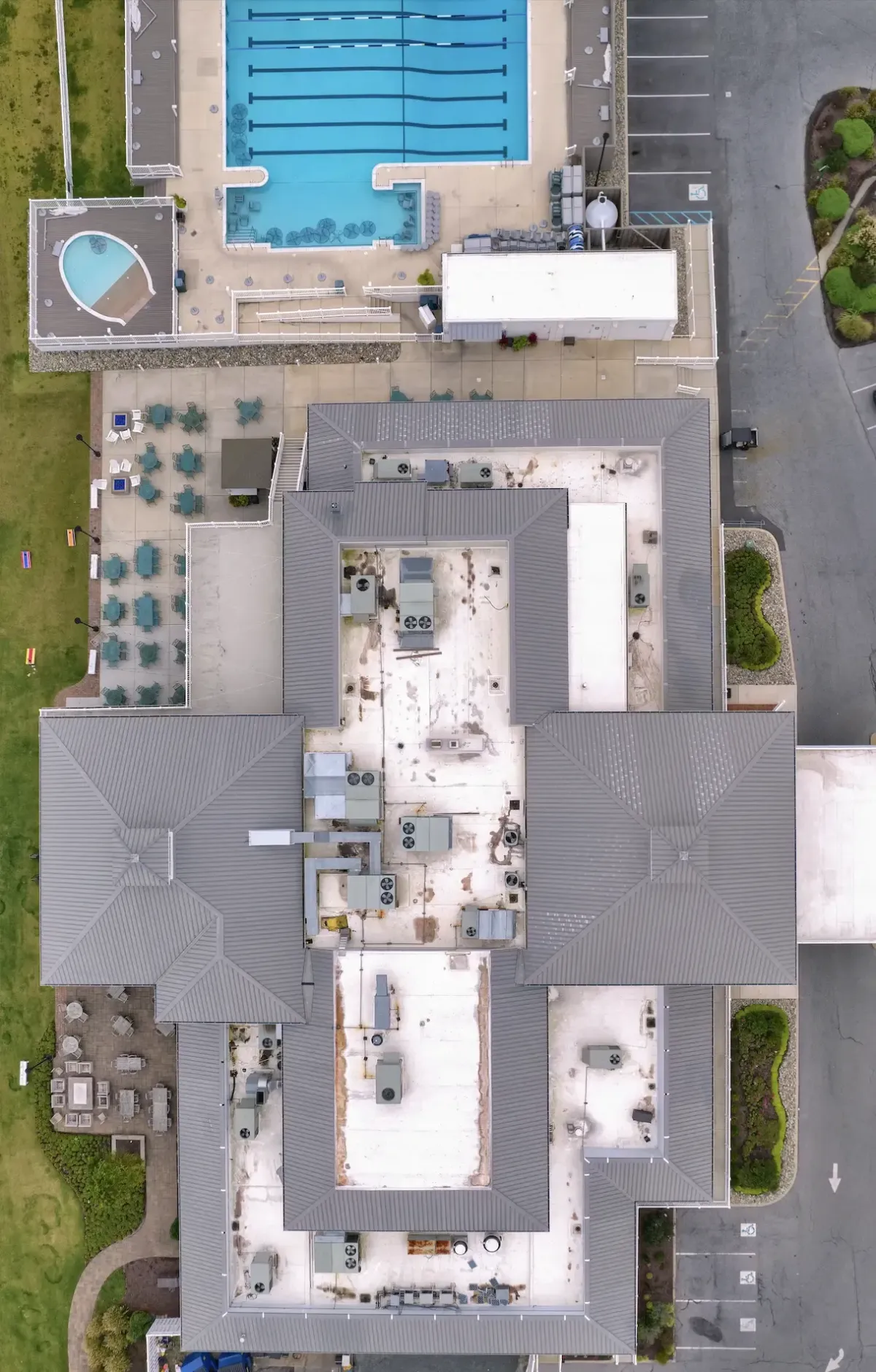
COMMERCIAL FLAT ROOFING DETAILS
What Commercial Flat Roofing Includes
A commercial flat roofing project involves more than installing the visible roof surface. Drainage, edges, seams, penetrations, transitions, and rooftop equipment all affect how the system performs.
Before finalizing the scope, we consider the condition of the existing roof, how water moves across it, where leaks or wear have developed, and whether the affected areas are isolated or part of a broader problem.
The recommended work may involve installation, targeted repair, complete replacement, or evaluation for a commercial roof coating when the existing system is an appropriate candidate.
Flat and low-slope roof installation and replacement
Drainage review and water-management planning
Seam, flashing, and perimeter detailing
Curbs and penetrations around roof equipment
Transitions between different roof sections
Recommendations based on current roof condition
REPAIR, COAT, OR REPLACE
When to Repair, Coat, or Replace a Flat Roof
A targeted repair may make sense when a leak or damaged area can be isolated and the surrounding roof remains serviceable. Common examples include an open seam, damaged flashing, a problem around a penetration, or a limited drainage concern.
Some existing roofs may qualify for a commercial roof coating when the system remains in suitable condition and unresolved moisture or widespread failure is not present.
A commercial roof replacement may be the more dependable option when deterioration is widespread, leaks continue in multiple areas, moisture has affected larger sections, or the existing roof has little remaining service life.
Damage is limited to an identifiable roof area
The surrounding system remains serviceable
The leak source can be reasonably isolated
Moisture has not spread across a large section
Repair supports the owner’s current maintenance plan
WHY PLATINUM ROOFS
Why Property Owners Choose Platinum Roofs
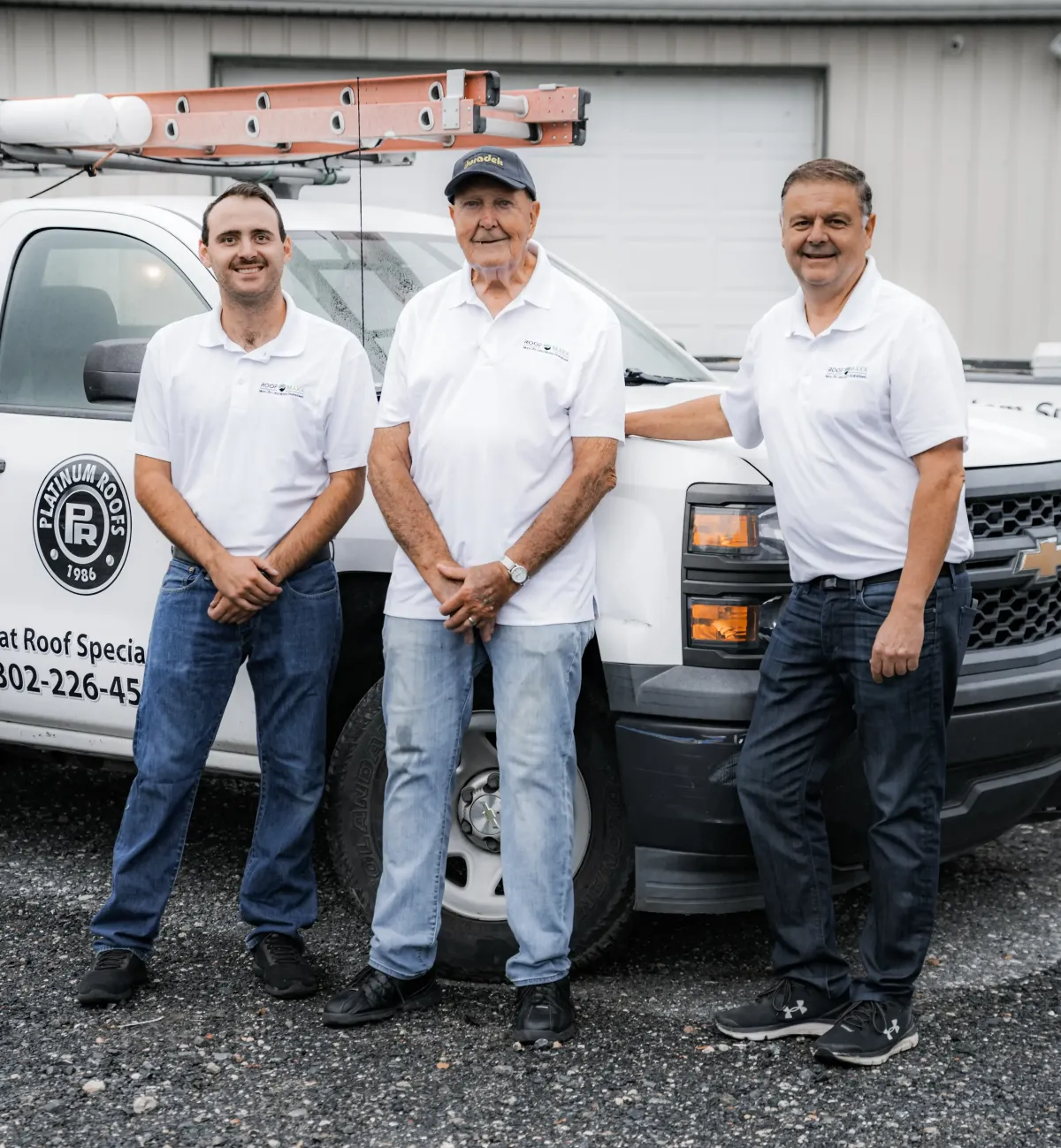
Since 1986, Platinum Roofs has helped commercial property owners evaluate roofing concerns and determine the appropriate next step.
We consider the existing roof system, drainage, leak history, rooftop equipment, access, occupied areas, and remaining roof condition before recommending repair, coating, or replacement.
Our goal is to provide a clear scope, practical recommendations, and project coordination that respects how the property is used.
Family-owned roofing contractor serving the area since 1986
Experience with offices, retail, multifamily, and mixed-use properties
Recommendations based on the actual roof condition
Planning that considers tenants and daily operations
Clear communication with owners and property managers
Why Platinum Roofs
Why Property Owners Choose Platinum Roofs
Since 1986, Platinum Roofs has helped commercial property owners evaluate roofing concerns and determine the appropriate next step.
We consider the existing roof system, drainage, leak history, rooftop equipment, access, occupied areas, and remaining roof condition before recommending repair, coating, or replacement.
Our goal is to provide a clear scope, practical recommendations, and project coordination that respects how the property is used.
Family-owned roofing contractor serving the area since 1986
Experience with offices, retail, multifamily, and mixed-use properties
Recommendations based on the actual roof condition
Planning that considers tenants and daily operations
Clear communication with owners and property managers
Always on-time, responsive & respectful
Family-owned and trusted locally since 1986
Roof repairs designed for long-term performance
Areas We Serve
Serving Lewes and Coastal Sussex County
Based in Lewes, Platinum Roofs provides commercial flat and low-slope roofing throughout nearby coastal and inland Sussex County communities. Explore all of our service areas, or select your town below to learn more about roofing services available in your area.
Frequently Asked Questions
What is the difference between a flat roof and a low-slope roof?
Commercial roofs commonly called flat roofs are actually built with a slight slope that directs water toward drains, scuppers, or gutters. “Low-slope” is the more accurate description, but both terms are commonly used for the same general type of commercial roofing.
Are commercial flat roofs completely flat?
No. A properly designed commercial flat roof needs enough slope and a functioning drainage path to move water away from the roof. Low areas, compressed insulation, blocked drains, or poor drainage design can contribute to standing water.
What causes ponding water on a commercial flat roof?
Ponding water may result from blocked drainage, low areas, compressed insulation, inadequate slope, damaged roof sections, or changes around rooftop equipment. The cause should be identified before repairs are recommended.
Can a leaking commercial flat roof be repaired?
Yes, when the leak source can be identified and the surrounding roof remains serviceable. Commercial flat roof repairs may involve seams, flashing, penetrations, edges, drainage areas, or a limited damaged section.
How long does a commercial flat roof last?
Service life varies by roofing system, installation quality, drainage, weather exposure, maintenance, rooftop traffic, and previous repairs. An inspection is the best way to evaluate the current condition and likely remaining service life.
Can a roof coating extend the life of a commercial flat roof?
A commercial roof coating may help protect an eligible existing roof, but coatings are not appropriate for every system. Widespread deterioration, trapped moisture, structural concerns, poor drainage, or incompatible materials may need to be addressed first.
Can a commercial flat roof support HVAC units and other equipment?
Commercial flat roofs often contain HVAC units and other equipment, but curbs, penetrations, supports, drainage, service access, and the underlying structure must all be considered. Equipment should not be added or moved without proper evaluation and detailing.
How much does commercial flat roofing cost?
Pricing depends on roof size, existing materials, access, drainage, insulation, penetrations, rooftop equipment, tear-off requirements, occupied conditions, and whether the project involves repair or replacement. An on-site assessment is needed for an accurate scope and price.
How do I request a commercial flat-roofing assessment?
Request an assessment online or call Platinum Roofs at (302) 226-4510. Share the property type, current roof concerns, known leaks or drainage issues, and whether the building is occupied.
Platinum Roofs is a licensed & insured roofing contractor in Lewes, DE.
Office Hours: Monday – Friday: 7:30 AM – 3:30 PM | Saturday – Sunday: Closed




T.R. Roofing, Inc. DBA Platinum Roofs
© 2026. T.R. Roofing, Inc. DBA Platinum Roofs. All Rights Reserved.
Powered by Feel Good Marketing